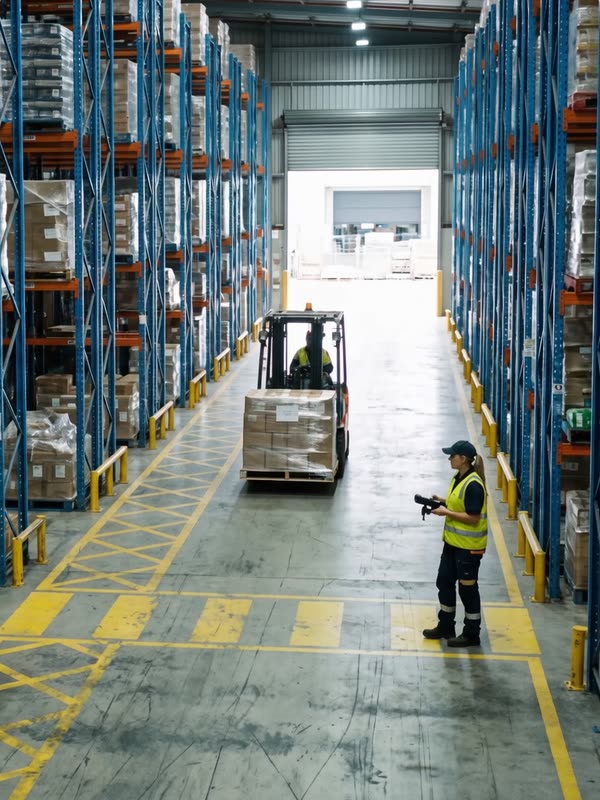
Your procedure
Send the safe work procedure, SWMS or incident report the film has to teach, with photos of the equipment, PPE and workplace.
We make workplace safety training videos for Australian businesses: short WHS and OHS films about the tasks and hazards that hurt people at work, set in a workplace like yours and acted out by a cast who show the job done the right way and the wrong way.
Employers have a duty to give workers the information, training and instruction they need to work safely. Generic safety videos cover the basics, but they rarely show your equipment, your procedures or your people. Ours are made from your safe work procedures and SWMS, so the film matches what you expect on the floor.
Each film covers one task or one hazard. These are the topics companies ask for most.
The most useful safety video shows what actually goes wrong. With AI generation we can show a fall, a crush injury, a chemical splash or a reversing truck as it really happens, without staging it, putting anyone at risk or using distressing footage of a real incident. Each film then shows the control that would have prevented it.
Each film runs one to four minutes, so it works as a toolbox talk on a phone, a module in your learning system or a clip on the screen in the lunch room. A series can follow the same characters, which helps people remember what they saw.
Many companies use a safety film to share the lessons from a serious incident, including as part of an enforceable undertaking with a safety regulator. We can re-create what happened from the investigation without real footage or identifiable people, and show what has changed since.
Safety and HSE managers, WHS advisers and consultancies, training coordinators, industry associations producing resources for members, and training organisations that want better video for their units. We make films for manufacturing, construction, logistics, agriculture, health and community services, retail and hospitality.
The hazard is shown the way it really happens, followed by the control that would have stopped it.
How A Safety Video Gets Made
From your documents to a finished film, with your own expert signing off before anything is made.
Send the safe work procedure, SWMS or incident report the film has to teach, with photos of the equipment, PPE and workplace.
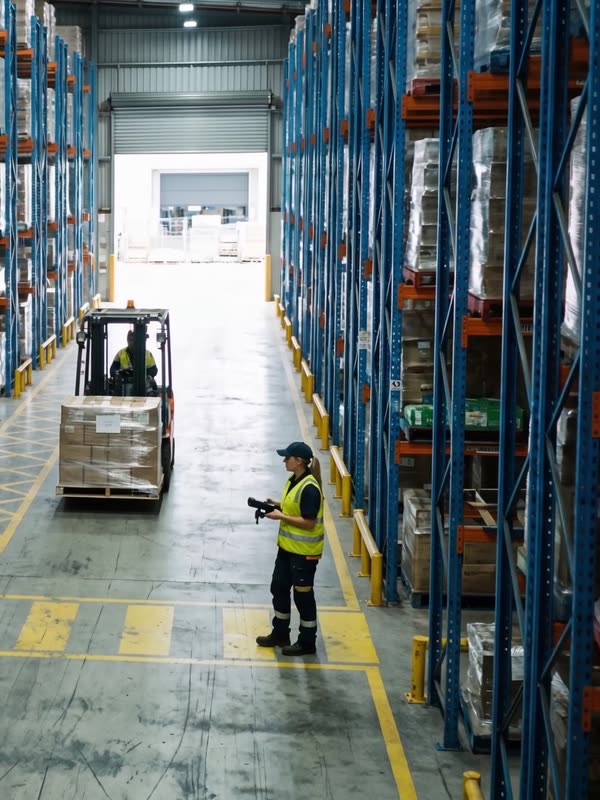
We write the scenes, the mistake and the control. Your safety lead approves the script before anything is made.
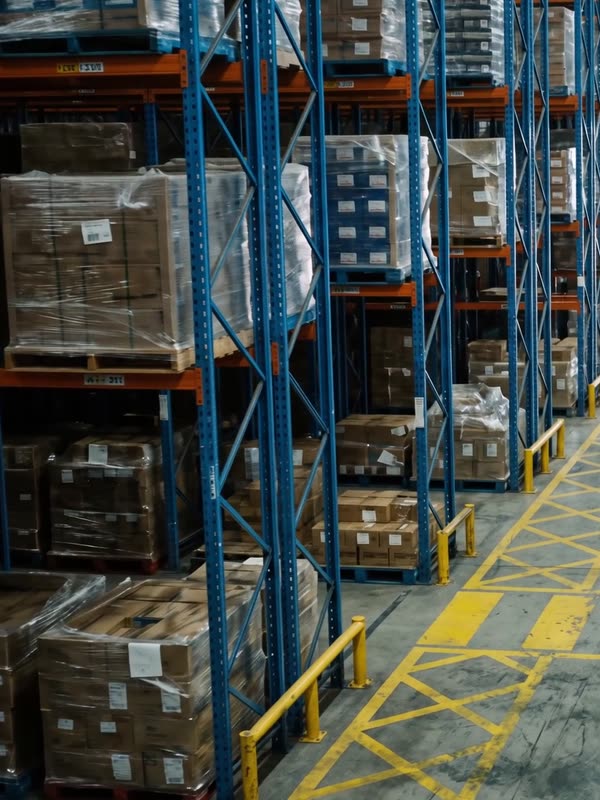
Every shot is framed and agreed, including how the hazard is shown.
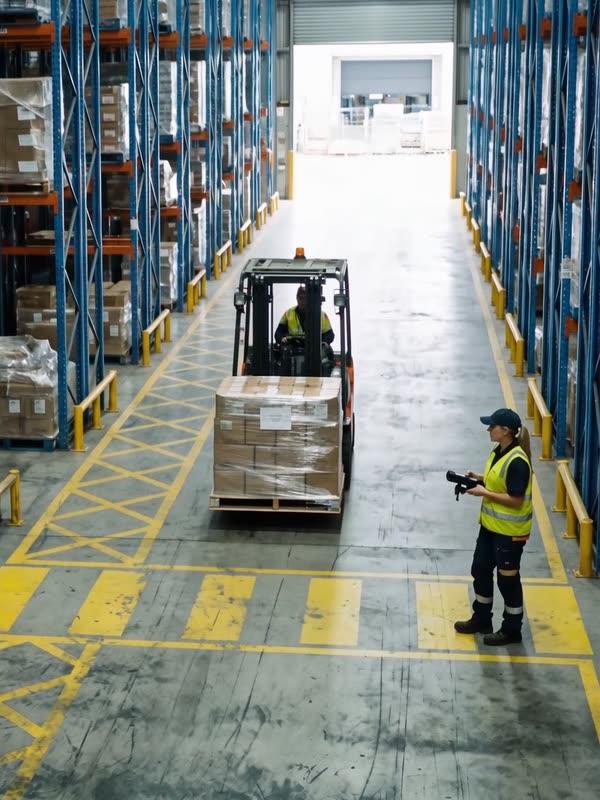
Scenes are made to the boards and checked frame by frame against your reference photos.
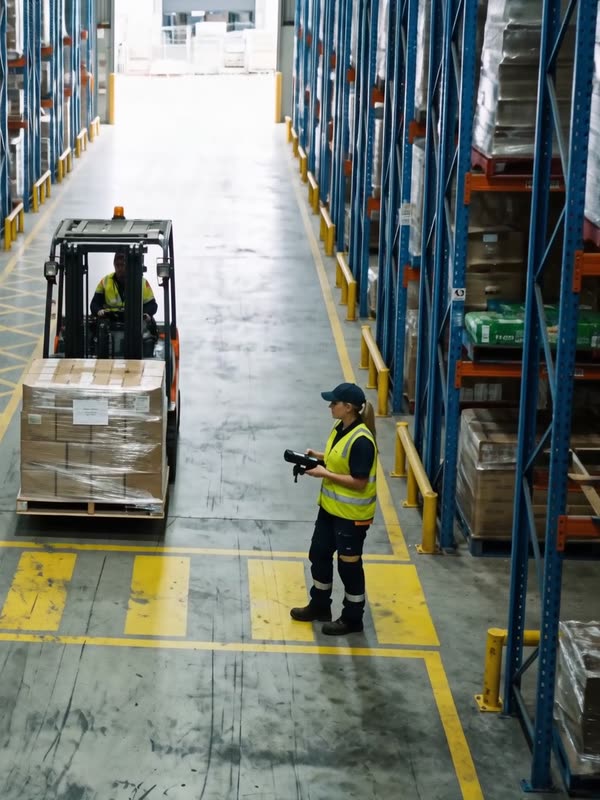
Cut, graded and mixed, with captions, languages and questions added.
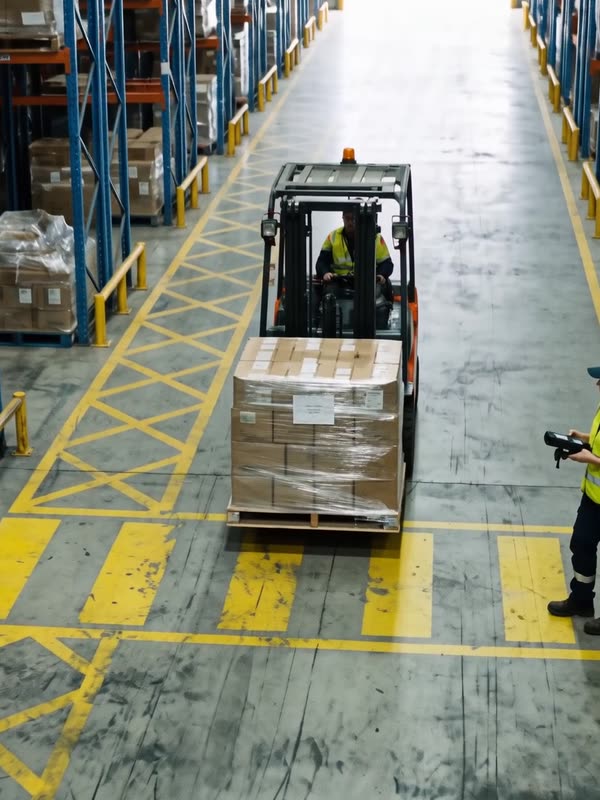
MP4 for screens and toolbox talks, SCORM for your learning system, and new versions when the procedure changes.
No. Our films are training content for your own safety program, toolbox talks and inductions. Nationally recognised courses such as the White Card or high-risk work licences are delivered by registered training organisations, and our films can support them but do not replace them.
Yes, that is the usual starting point. We turn the steps and the controls into scenes, and your safety lead signs off the script before production.
Yes. We re-create it from the investigation report without real footage or identifiable people, which is often how lessons from an incident are shared across a company or an industry.
Yes, as films that show situations such as unreasonable workload, poor support, bullying or occupational violence, and what good management looks like. In Victoria the regulations say information and training cannot be the main control for these hazards, so we build the film around the changes you have already made.
Yes. The licence for each film is set out with the quote, including whether it covers one site, the whole company or the members of an association.
Every film is quoted from the brief. The price depends on how many films you need and how long they run, the number of scenes, versions and languages, whether you need SCORM packages and questions, and the number of review rounds. Send us a brief and we will come back with a quote and a schedule.
Tell us what it is for and when it needs to be out, and we will come back with how we would make it.