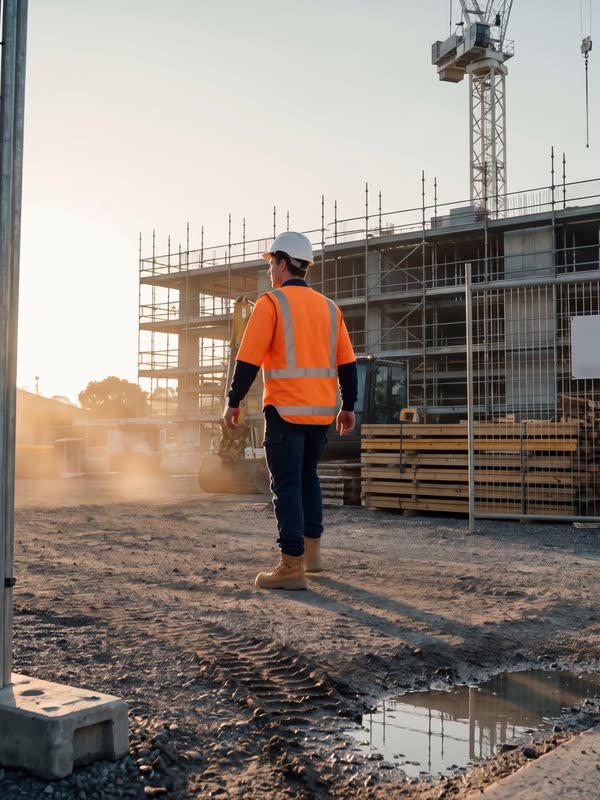
Brief and documents
You send the procedure, policy or program the film has to teach, who it is for, and photos of the site, equipment, PPE and uniforms.
Satellite Studios makes training videos for Australian workplaces and venues: site and safety inductions, workplace safety training, sexual harassment and Respect at Work training, AML/CTF training, and safety briefings for venues and tours. Each one is a set of acted scenes with real-looking people doing the work, made with AI generation instead of a film crew.
Most training video is a presenter reading the policy, a cartoon, or a camera crew filming staff on a working site. Our films are acted scenes instead: your procedures, your site and your uniforms, with a cast who show the hazard, the mistake and the right way to do it, the way people would see it on the job.
Every film is built from your own documents and photos, signed off by your safety, HR or compliance lead before anything is made, and delivered with captions, translated versions and SCORM packages for your learning system when you need them.
The same things go into every film, whatever it teaches.
People remember a situation better than a list of rules. A review of 95 studies of workplace safety training (Burke and colleagues, American Journal of Public Health, 2006) found that the more engaging the method, the more people learned and the fewer accidents and injuries followed. Lectures, pamphlets and passive video sat at the bottom of that scale, and methods that model the behaviour and ask people to practise or respond sat at the top.
So our films act out the situation, the mistake and the right way to do it, and they can be followed by questions in your learning system, so watching turns into answering.
A presenter on screen adds little to a procedure, and many learners switch off as soon as they recognise a stock AI avatar. We do not use them. Every film we make has a cast acting out the work in a place that looks like yours.
A traditional training shoot stops part of your site, puts staff in front of a camera and goes out of date the next time a procedure changes. We build the scenes from photos and plans instead, so nothing on your site has to stop. No crew comes to your site, so there are no inductions, escorts, permits or PPE to arrange for us.
Hazards and incidents that could never be staged safely, such as a fall from height, a forklift near miss or an arc flash, can be shown as they would really happen. When a rule changes, we make the scenes that changed again rather than reshooting the whole film.
Safety and HSE managers, learning and development teams, HR and people and culture leads, AML/CTF compliance officers, venue and operations managers, and the law firms, WHS consultancies and industry associations who build training for their clients and members. We are based in Melbourne and make training films for organisations across Australia, including Sydney, Brisbane, Perth and Adelaide.
The industries we make training films for:
Most of the training we make is training an employer has to give. These are the rules our clients usually come to us about, and each one has its own page.
Site Induction VideosWorkplace Safety VideosSexual Harassment Training VideosAML/CTF Training VideosSafety Briefing Videos
Acted scenes built from your own procedures, with your site, your people and your rules, in place of a presenter reading the policy.
How A Training Film Gets Made
From your documents to a finished film, with your own expert signing off before anything is made.
You send the procedure, policy or program the film has to teach, who it is for, and photos of the site, equipment, PPE and uniforms.
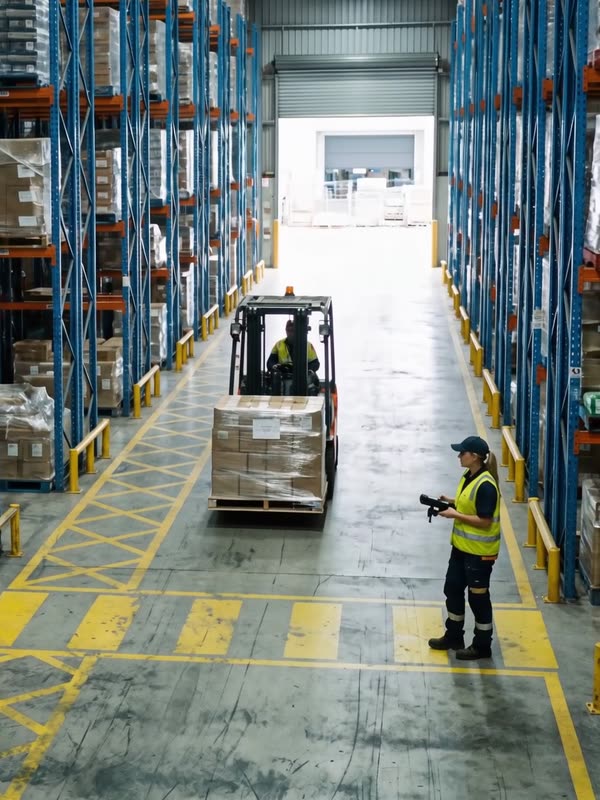
We write the scenes and the learning points. Your safety, HR or compliance lead approves the script before anything is made.
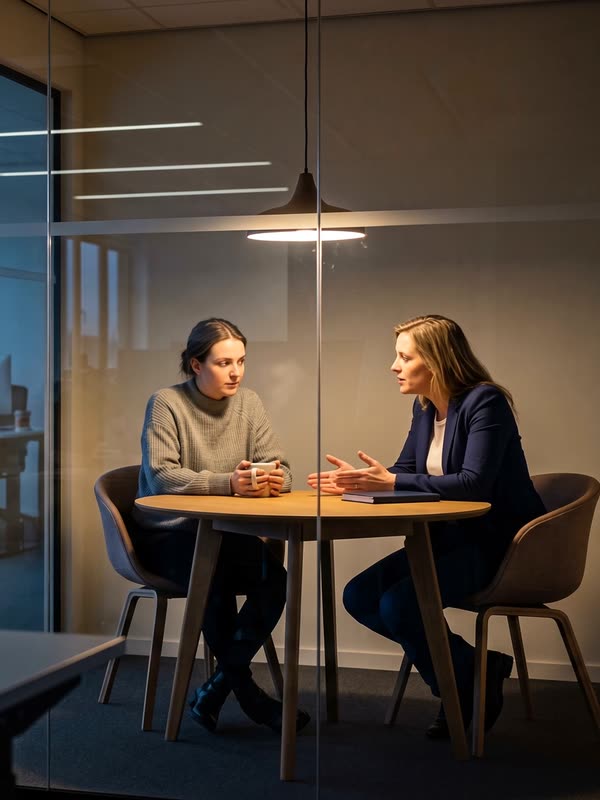
Every shot is framed and agreed, so the film is decided on paper first.
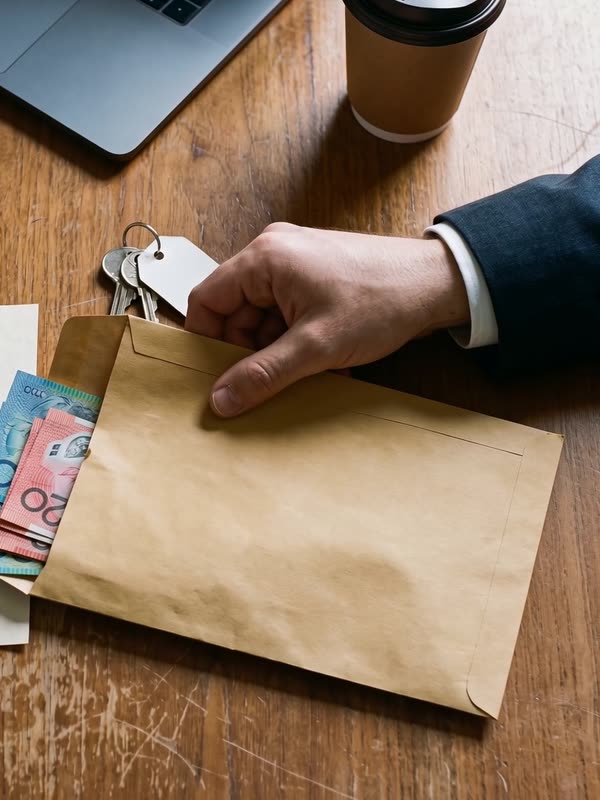
Scenes are made to the boards with the same people, place and equipment in every shot, then checked frame by frame against your reference photos.
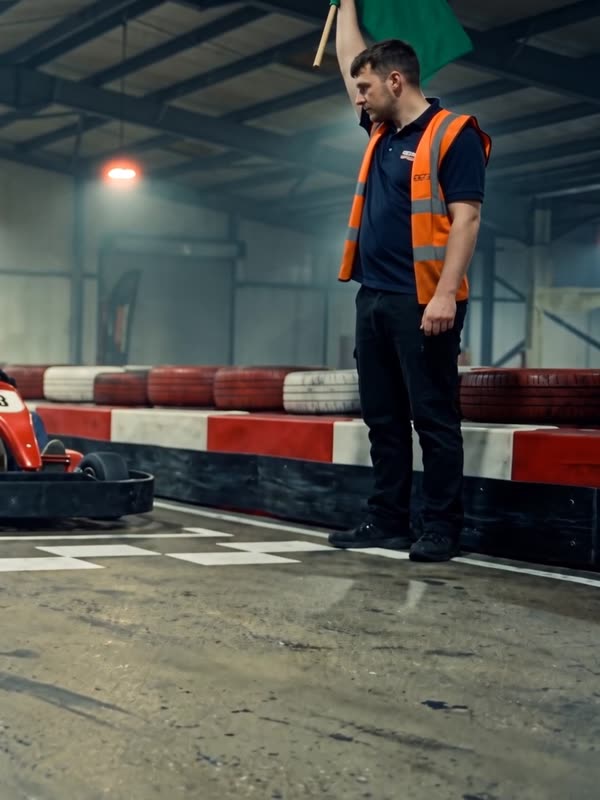
The film is cut, graded and mixed, with captions, translated versions and any knowledge-check questions added.
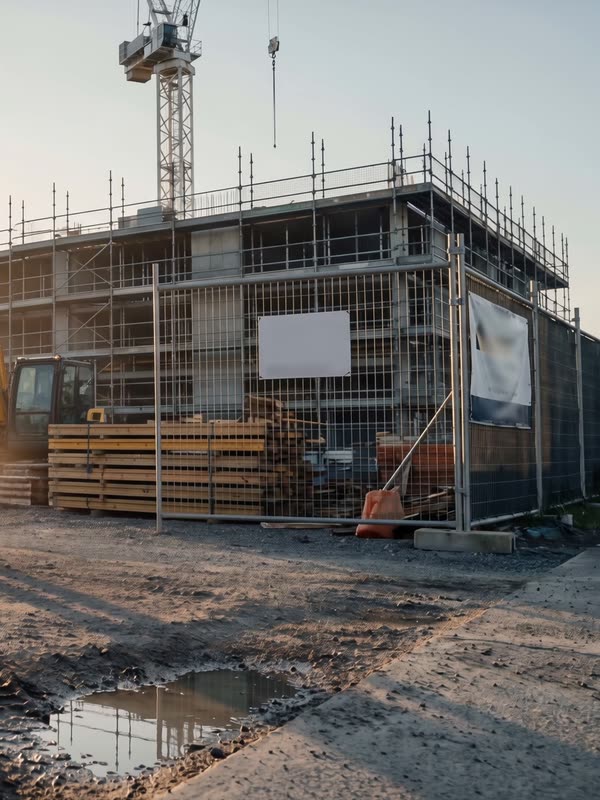
Your expert checks the cut against your procedures. We deliver MP4 files and SCORM packages and keep the project ready for the next update.
Training films are one part of what the studio makes. We also make brand films, commercials, product films, and property and development films for companies including Ceylon Jewelry Manufacturers, Dedicated, Ray White, First National Real Estate, Rogers Real Estate and riseNQ Projects.
Every one of them goes through the same process as a training film: a script, boards, scenes checked frame by frame, then the edit, grade and sound mix. A few are below, and the rest are on our Work page.
The films are acted scenes with full-body performances in real-looking places, edited, graded and mixed like a commercial. Every frame is checked before you see it, and anything that looks wrong, such as a hand, a sign or a piece of equipment, is made again.
The film is built from your own procedures and documents. Your safety, HR or compliance lead approves the script before production and checks the finished cut before it goes out. Signs, labels and on-screen text are added in the edit, so they read exactly as written.
Yes. Send photos of the site, plant, PPE, uniforms and signage, and we build the scenes from them. A short phone walk-through of the site helps us get the layout right.
We deliver MP4 files that play in any player or induction platform, and SCORM packages with knowledge-check questions for learning systems that track completion. Tell us which system you use and we will deliver in the format it takes.
Yes. We translate the voice and the on-screen text and keep the same scenes, so every crew sees the same film. Mandarin, Arabic, Vietnamese, Punjabi, Hindi and Spanish are common requests on Australian sites.
We make the scenes that changed again and re-cut the film, rather than reshooting it. Each version is dated, so you can keep a record of what people were shown and when.
We write the scenes and the dialogue. The rules, procedures and legal content come from you, your safety team or your adviser, and they sign it off. We are happy to work directly with your WHS consultant, employment lawyer or AML/CTF compliance officer.
Our casts are generated characters, not real people. If you want a real person in the film, such as your chief executive introducing an induction, we only do it with their written consent.
No. Photos of the site, plant, PPE, uniforms and signage are enough, along with your procedures. Nobody from our team needs a site induction, an escort or a permit, and nothing on site has to stop.
You do. All intellectual property in the finished films, including the caption files and language versions, is handed over to you.
Yes. We sign your NDA before you send procedures, site photos, policies or any other confidential material.
It depends on the film: how many films you need, how long they run, how many scenes and languages they have, and how quickly your team signs off the script. Every quote comes with a schedule, and the quote comes back the same day you send the brief.
As many as the film needs, within reason. Your team reviews the script, the boards and the cut, and we keep refining until it is right. If the brief changes so much that it becomes a different film, we scope that change with you before going further.
Yes. The studio delivered more than 400 films in 2026 alone, including brand films, commercials, product films, and property and development films for companies around the globe. You can watch them on our Work page.
Every film is custom, so every film is quoted from the brief. Send us a brief and the quote comes back the same day, with research into the topic, a production plan and ideas for the film. The price depends on how many films you need and how long they run, the number of scenes, versions and languages, and whether you need SCORM packages and questions.
Tell us what it is for and when it needs to be out, and we will come back with how we would make it.